12 months
 Full-time
 Bangalore
 75 seats
















 12 months
 Full-Time
 Bangalore
 75 seats




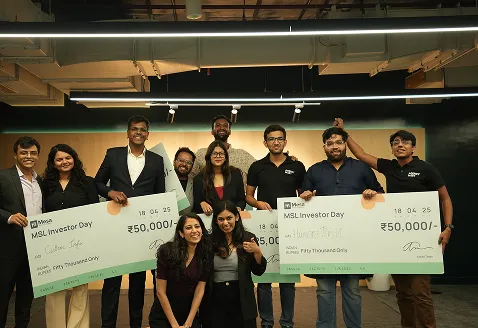
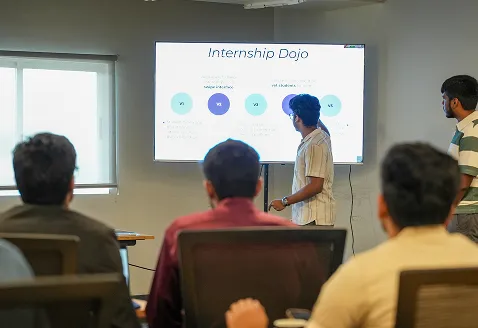
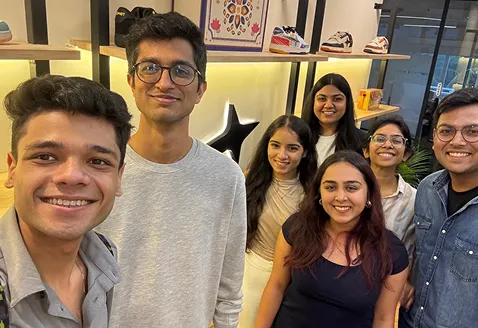
 Running Ads That Convert
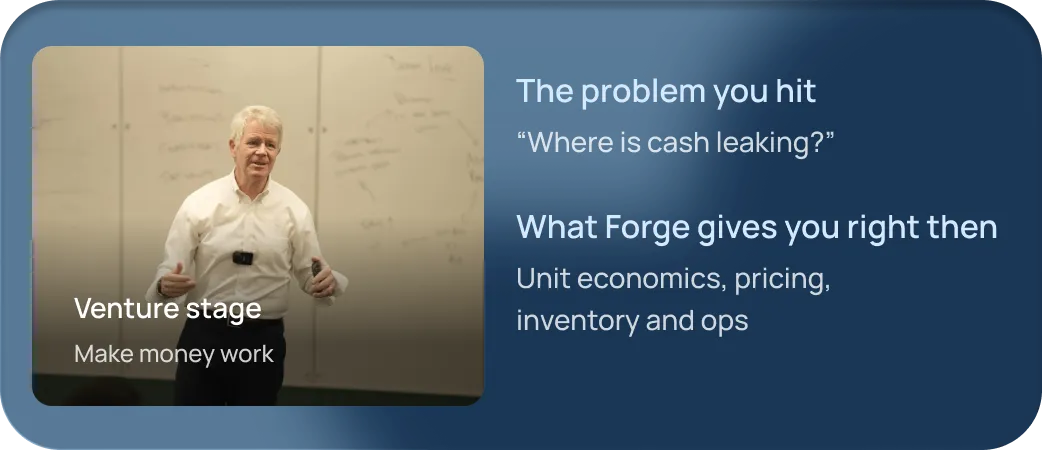
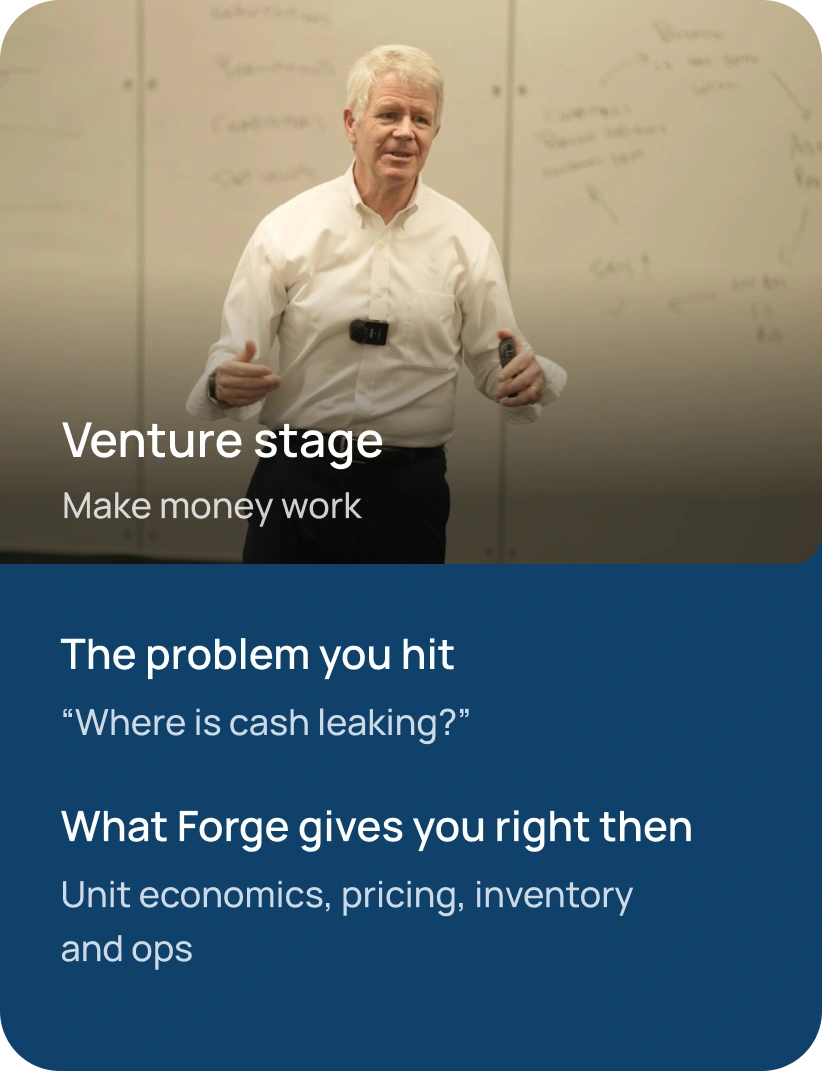
 How Startups Actually Make Money
 Operating the Business: From Order to Delivery
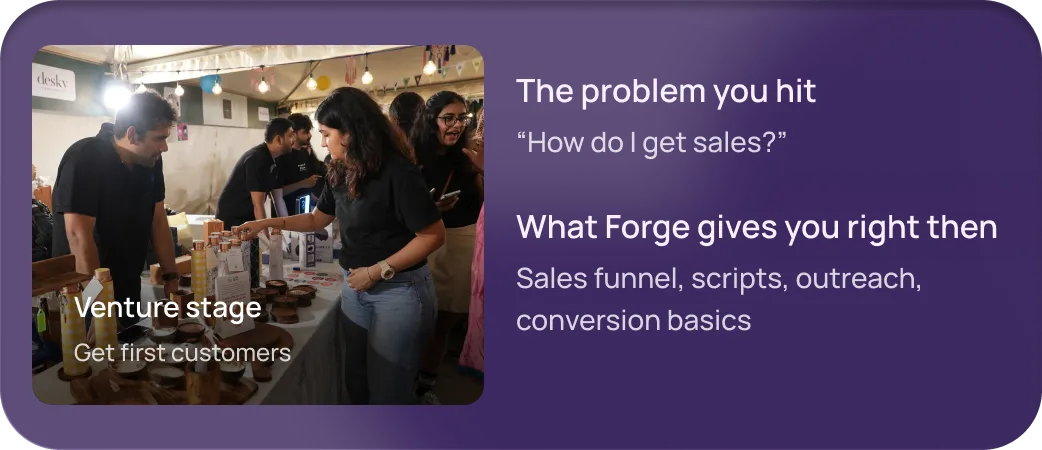
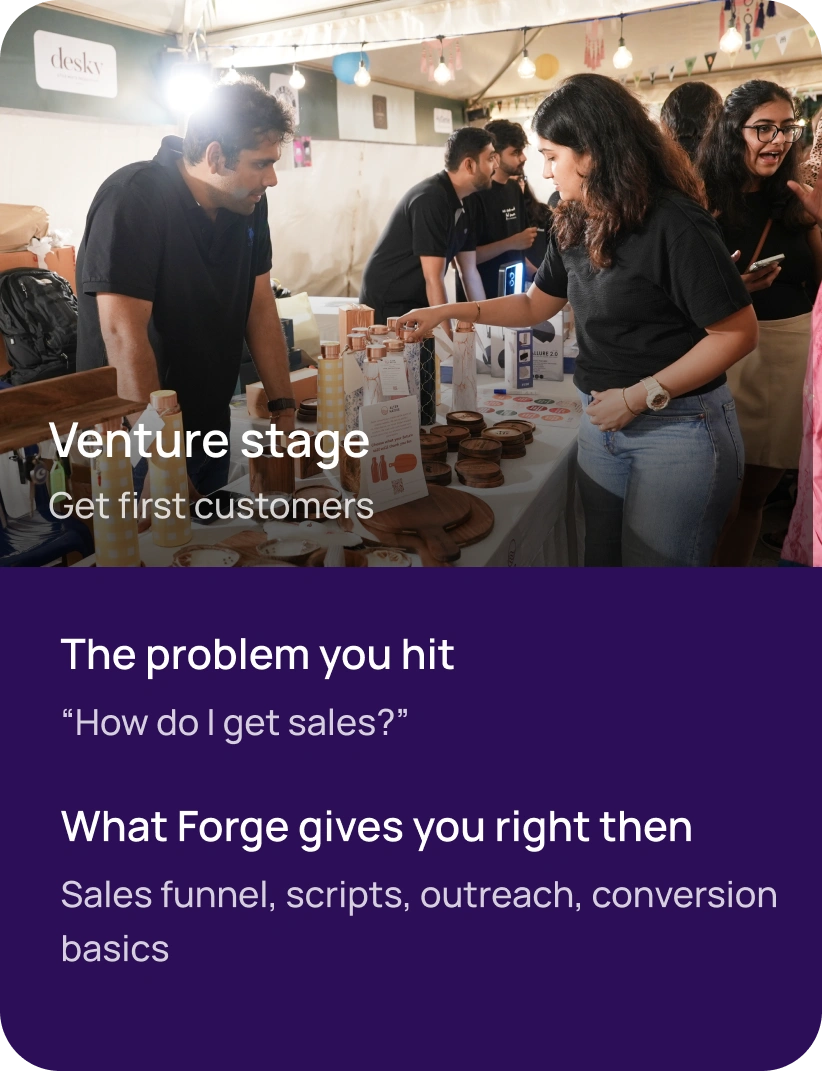
 Selling Your First Product Online
Running Ads That Convert
How Startups Actually Make Money
Operating the Business: From Order to Delivery
Selling Your First Product Online
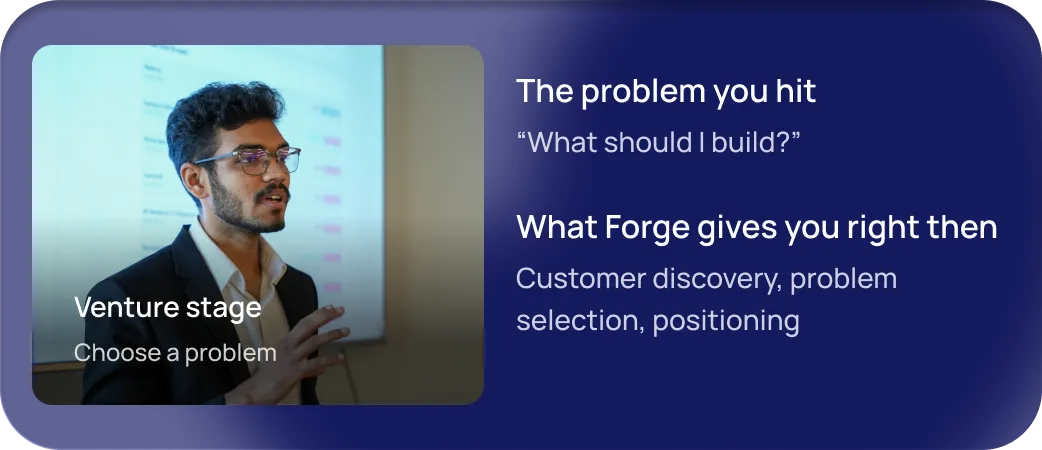
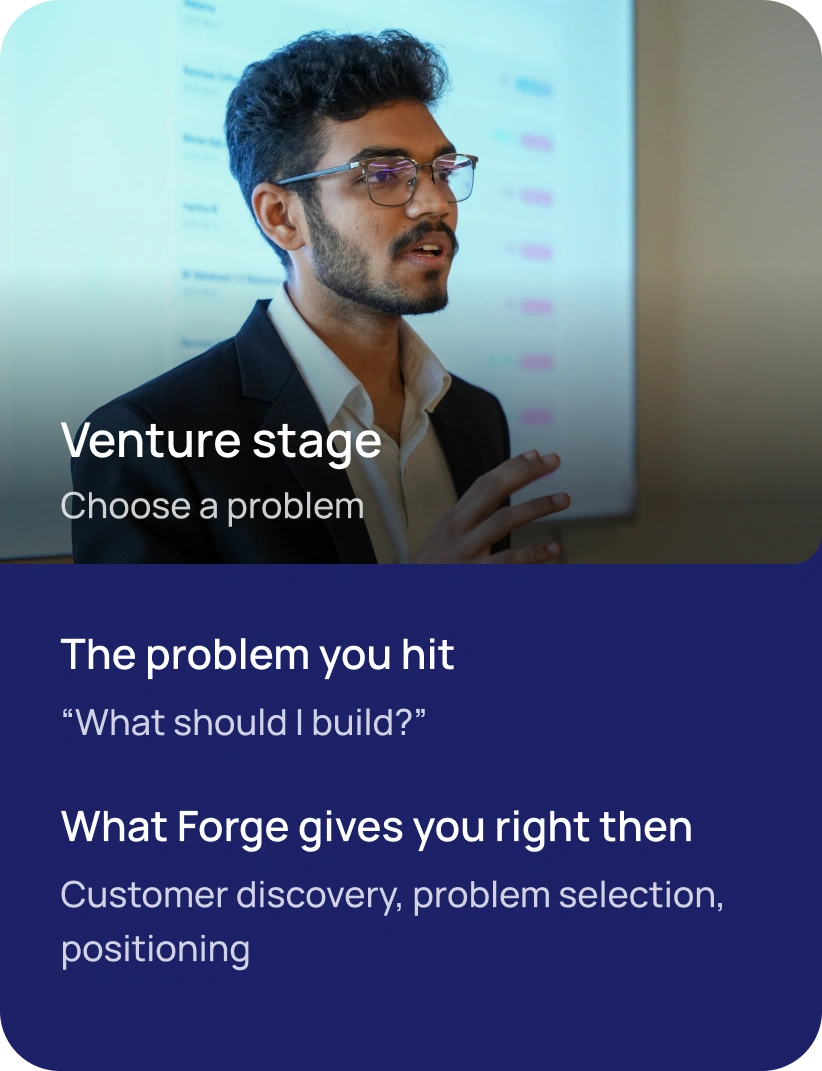
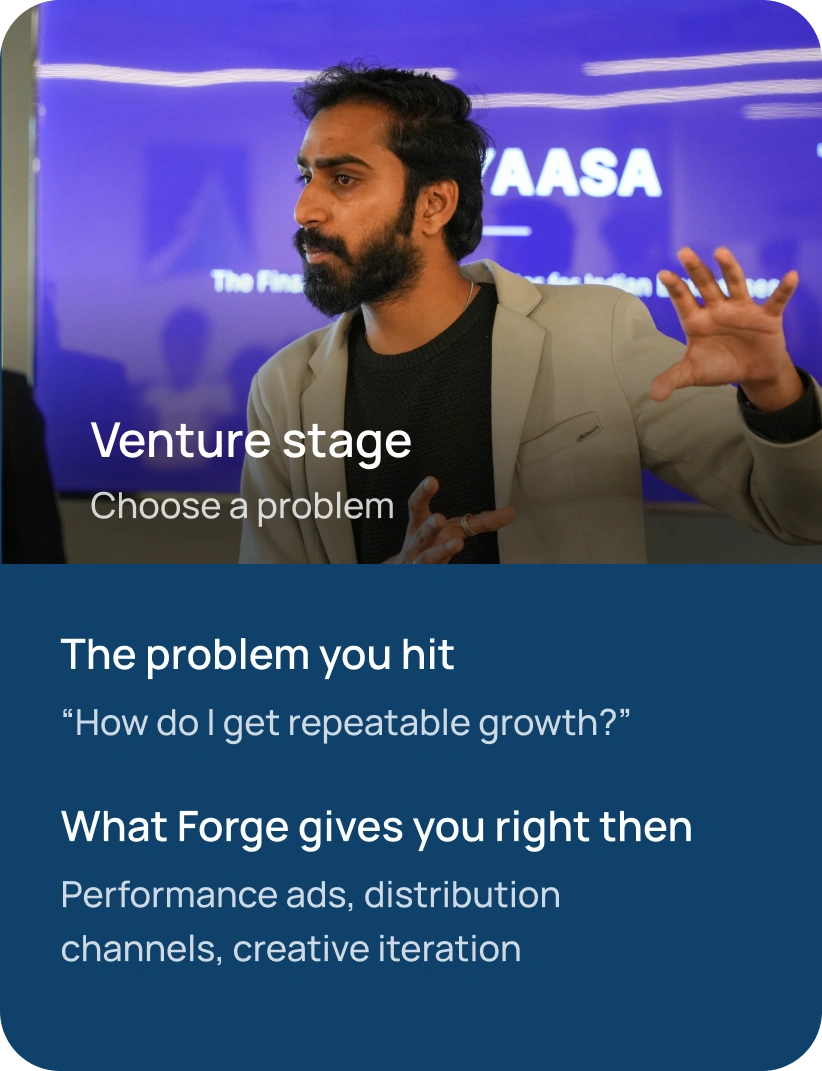
Finding Problems Worth Solving
Talking to Users (and Listening Properly)
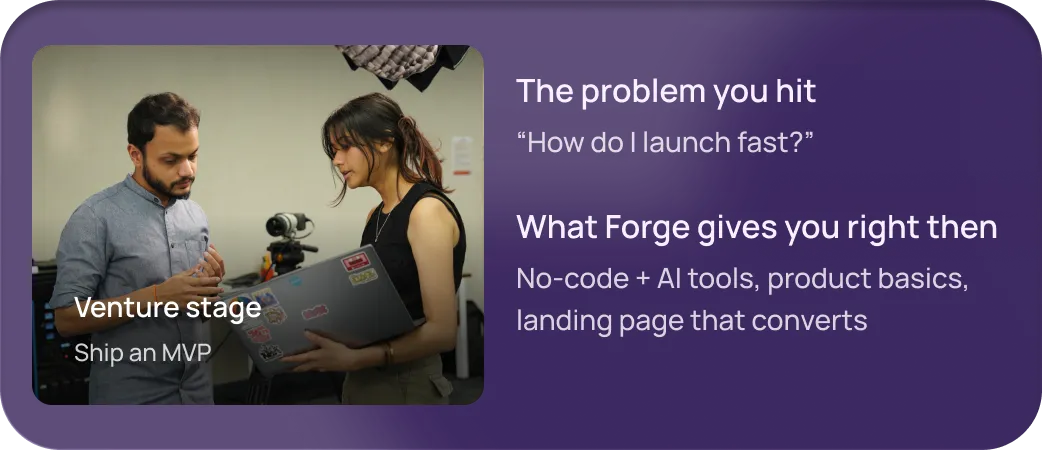
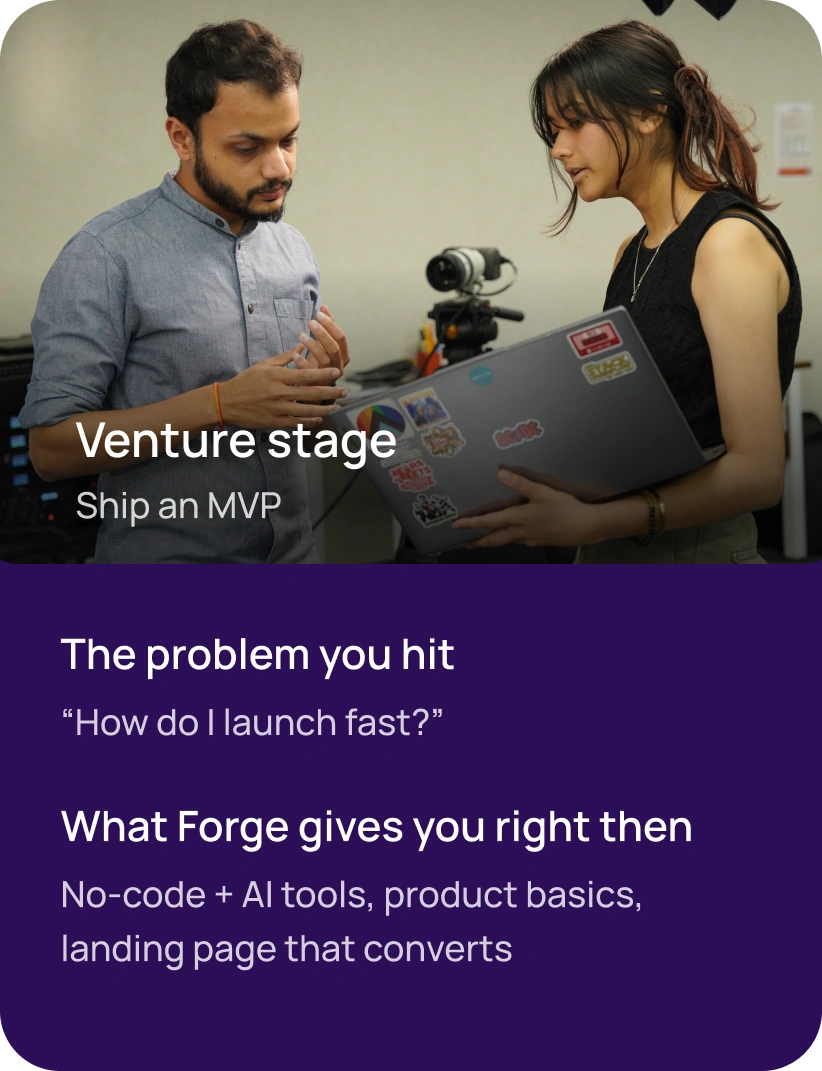
Building Your First Version Fast
Getting Your Product in Front of People
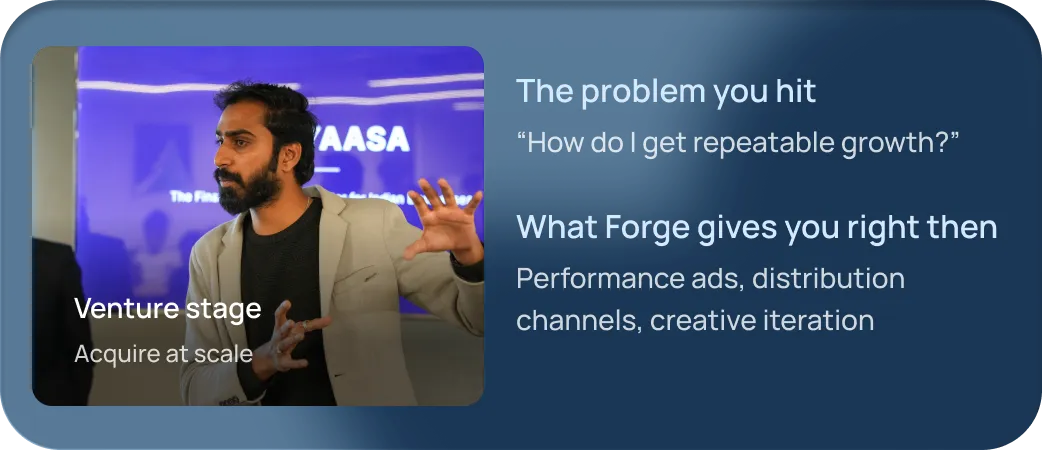
Getting Your First 100 Customers
Why Users Stay (or Leave)
Using Data Without Overthinking It
What to Build Next (and What to Kill)
What Product-Market Fit Actually Feels Like
Managing Money Without Running Out
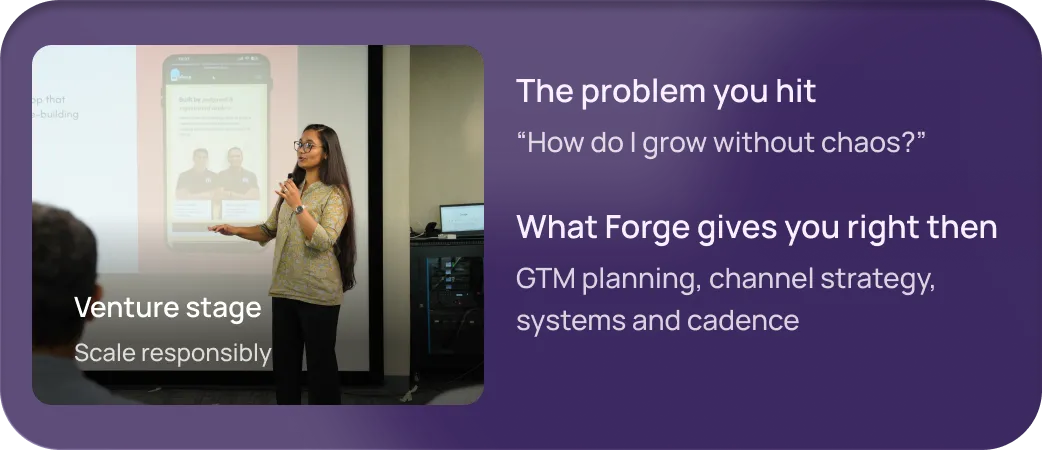
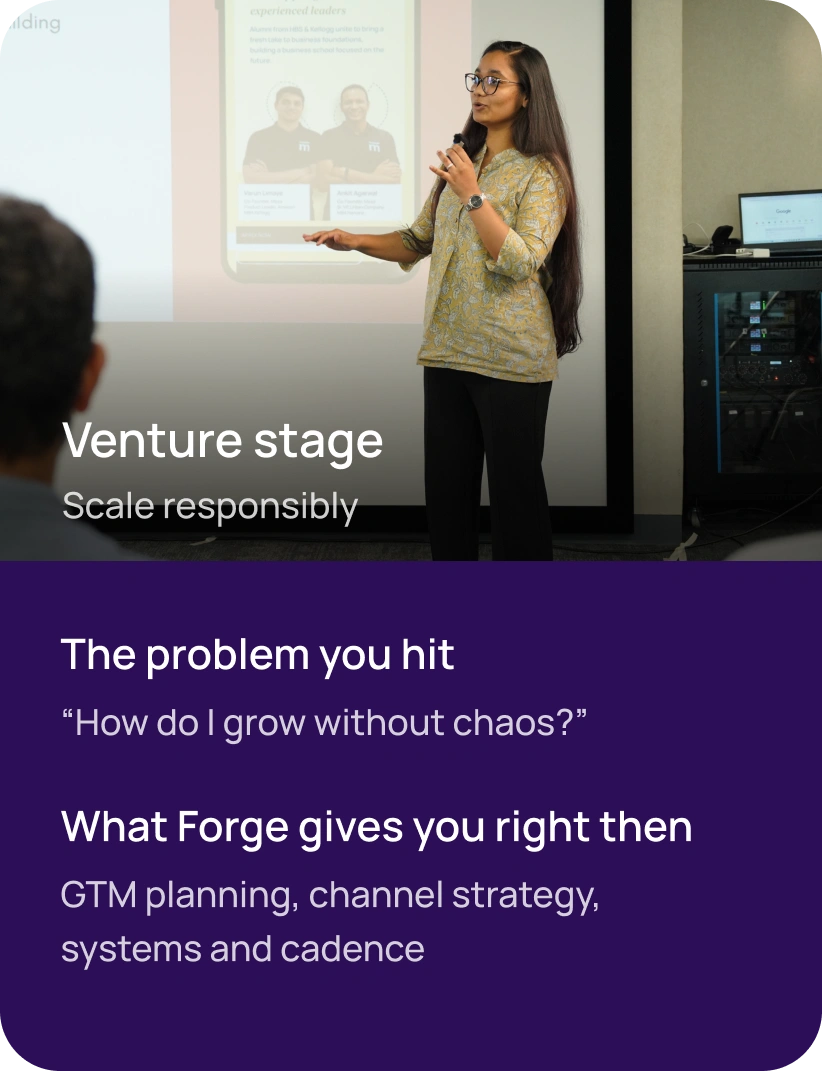
Scaling What's Working
Hiring Your First Team
Where This Company Can Go
Telling Your Story to Investors
Raising Money (If You Need To)
Staying Focused as Things Get Bigger
No classes. Full execution mode.
Selling Your First Product Online
Running Ads That Convert
How Startups Actually Make Money
Operating the Business: From Order to Delivery
Selling Your First Product Online
Finding Problems Worth Solving
Talking to Users (and Listening Properly)
Building Your First Version Fast
Getting Your Product in Front of People
Getting Your First 100 Customers
Why Users Stay (or Leave)
Using Data Without Overthinking It
What to Build Next (and What to Kill)
What Product-Market Fit Actually Feels Like
Managing Money Without Running Out
Scaling What's Working
Hiring Your First Team
Where This Company Can Go
Telling Your Story to Investors
Raising Money (If You Need To)
Staying Focused as Things Get Bigger
No classes. Full execution mode.
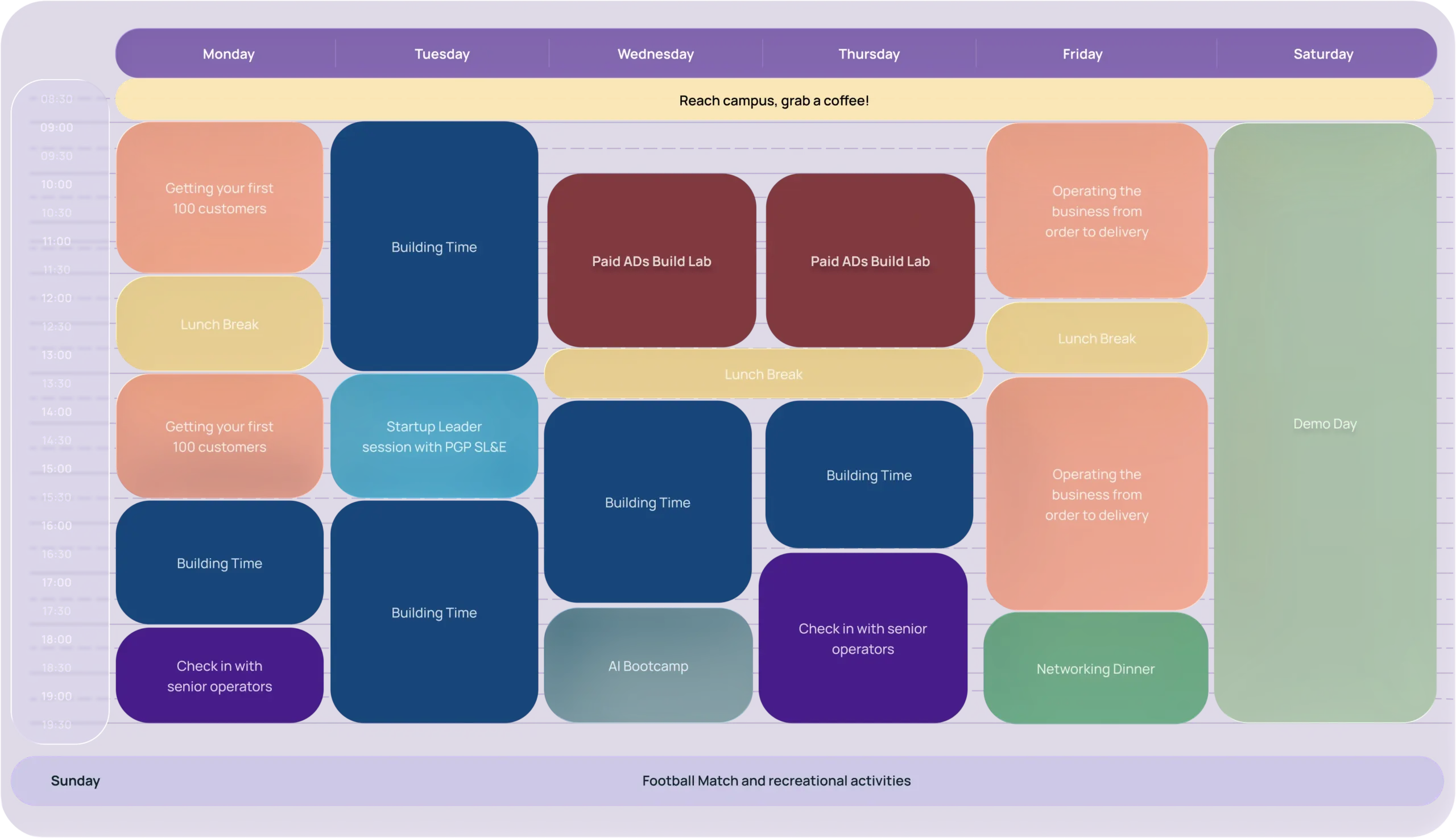
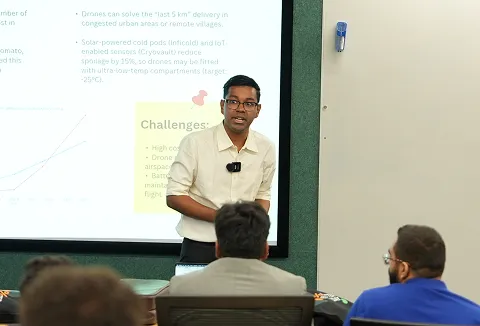
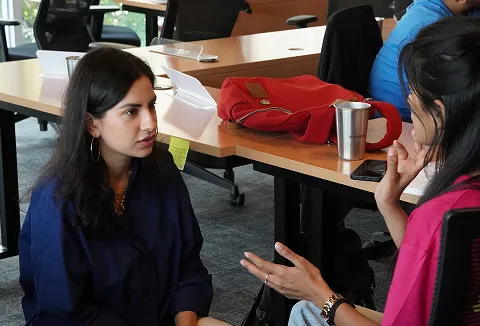
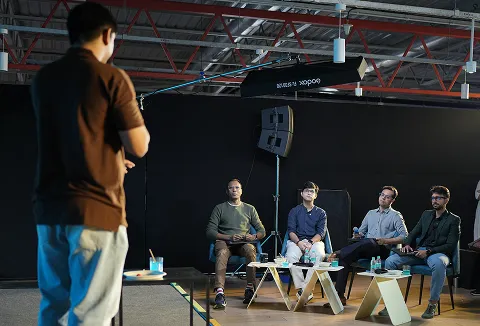
A typical week at Mesa blends classroom learning, hands-on building and intense exposure to founders – by design.

Forge is a venture-building track, but you are not isolated. You live inside the same campus, same founder access, same sessions, and the same infra as the Startup Leadership PGP.
Forge students can audit selected classes from the PGP in Startup Leadership and Entrepreneurship to deepen interests in strategy operations leadership or finance based on venture needs without increasing academic load
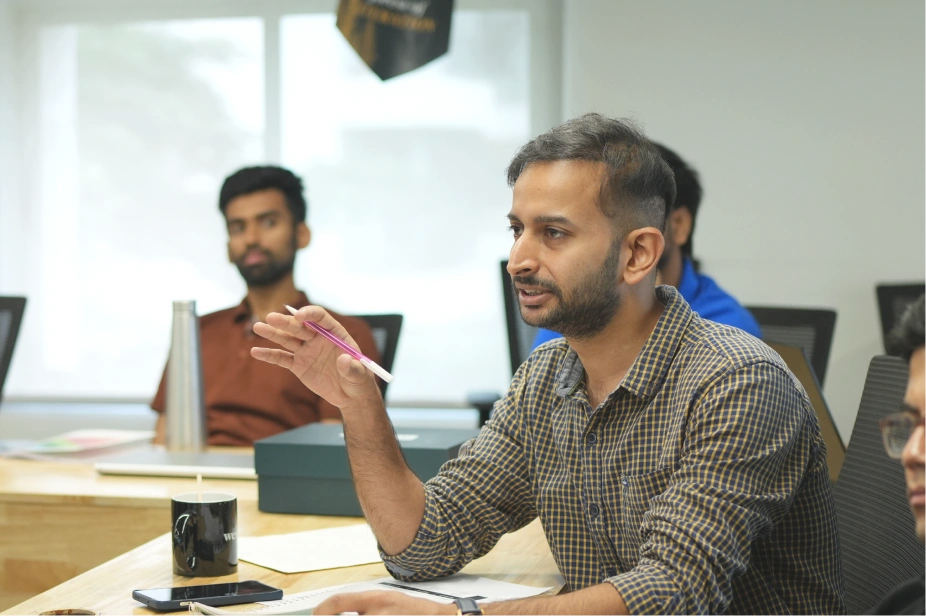
Forge students have full access to Mesa Startup Lab including the ₹5Cr incubator fund structured venture reviews founder mentorship expert guidance and post program incubation for high potential teams
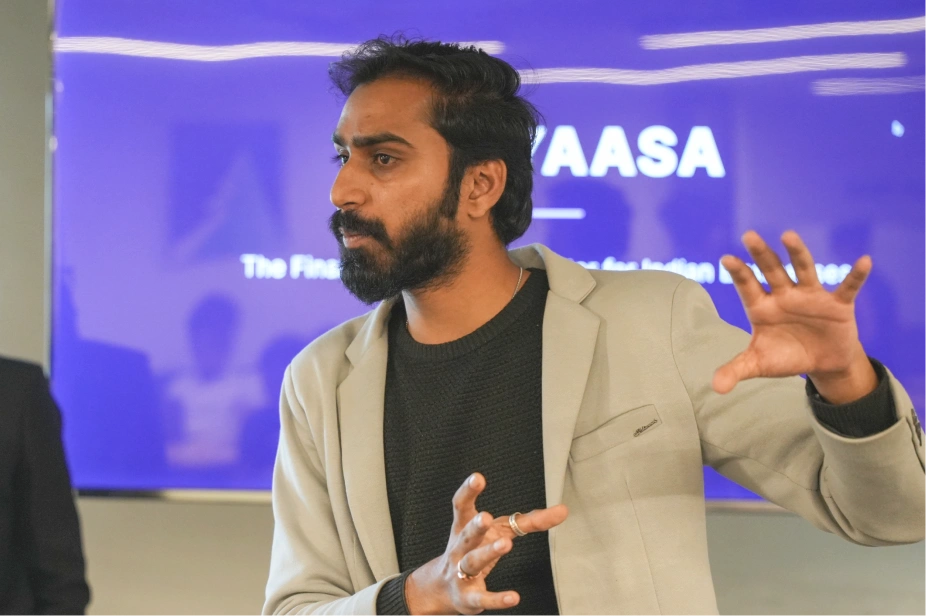
While Forge is venture first students exploring startup roles post program are supported by Mesa’s Career Prep team with resume building interview prep and access to early stage startup opportunities where hands on experience matters
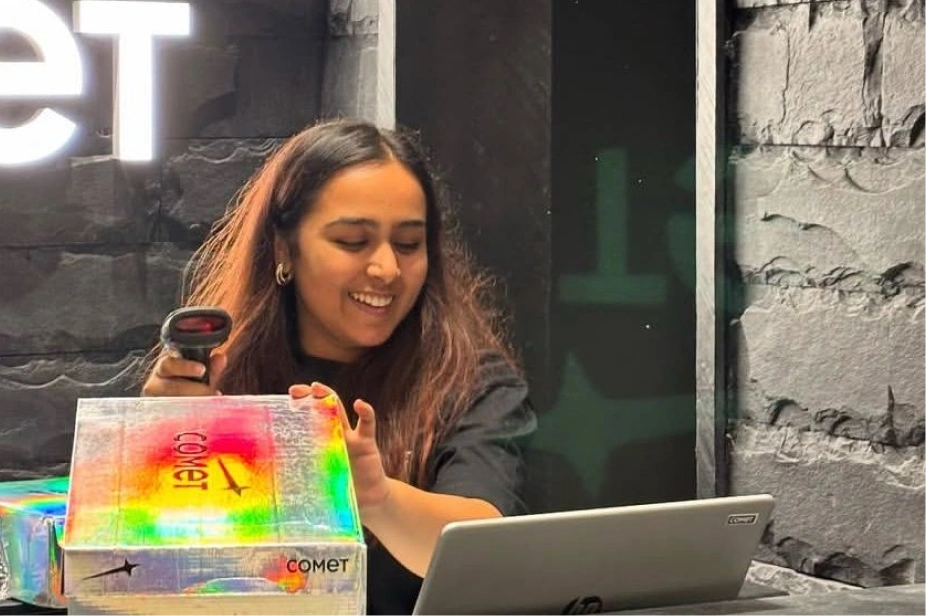
Forge students are fully integrated into the Mesa campus community learning alongside PGP Startup Leadership peers mentors and alumni while building strong cross cohort relationships across the startup ecosystem
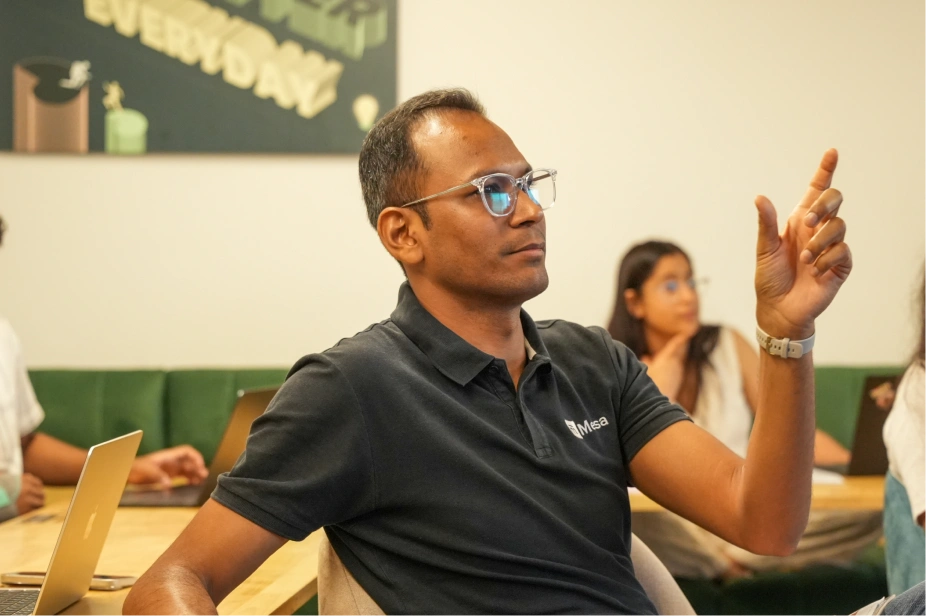
Founders and operators visiting campus for PGP and UG programs are equally accessible to Forge students, creating frequent informal touchpoints that help students learn directly from people building and scaling companies.
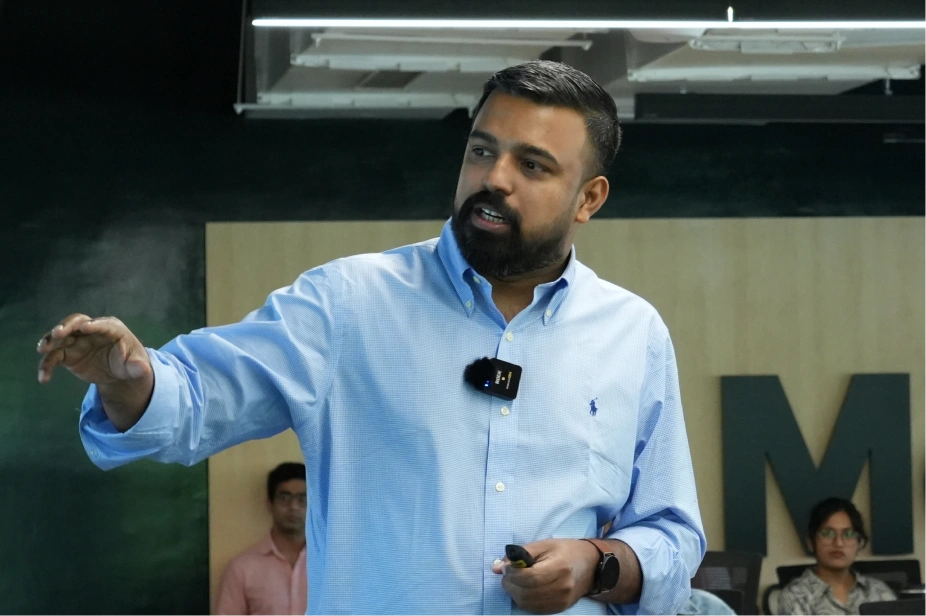
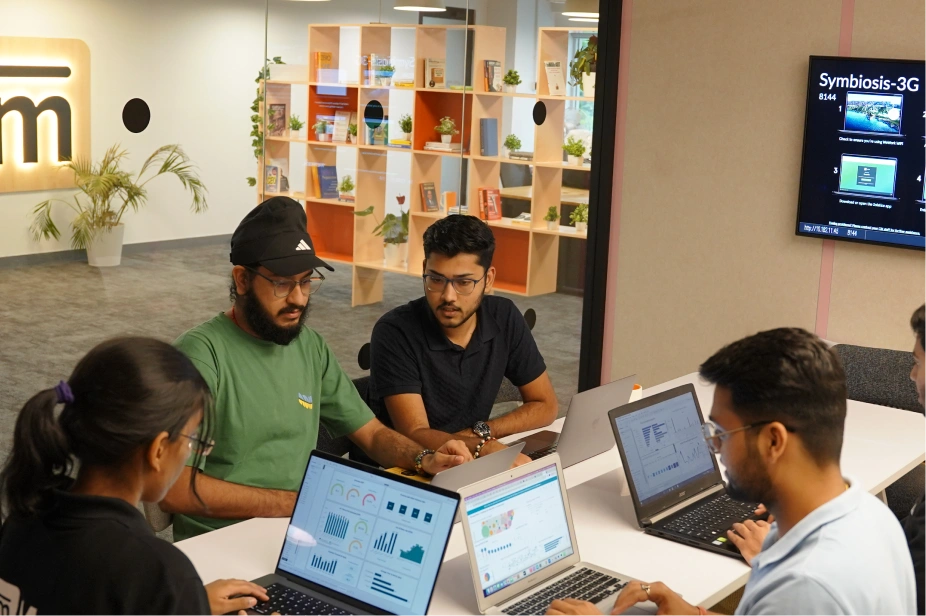
Forge students have full access to Mesa’s AI curriculum and tools, learning to use AI and no-code to build MVPs, automate workflows, run growth experiments, and improve operations through hands-on application.
| Rounds | Deadlines | Application Fee | Course Fee |
|---|---|---|---|
| Early Bird | 31st January, 2026 | ₹ 1500 / - | ₹ 15,35,000 |
| Round 1 | 15th March, 2026 | ₹ 1500 / - | ₹ 15,65,000 |
| Round 2 | 1st May,2026 | ₹ 1500 / - | ₹ 15,95,000 |
| Round 3 | 15th June, 2026 | ₹ 1500 / - | ₹ 15,95,000 |
The two programs are designed for very different career stages and learning needs.
The PGP in Startup Leadership & Entrepreneurship is built for mid-career professionals with 2+ years of work experience. Less than 10% of the cohort has under two years of experience, and close to 80% of students use the program to transition into leadership and high-impact operator roles in startups.
The PGP in Venture Building is designed for freshers who want to learn the art of 0–1 building by actually going through the process of creating a startup from scratch. The program is intentionally less academic, gives students significantly more time to build, and is structured around venture milestones rather than classroom intensity. Fees are lower to make the program accessible to early-career builders, and students receive 1:1 guidance from senior startup operators from Day One.
Not building a venture does not mean the program has failed.
The experience of attempting to build a startup—talking to customers, selling, running experiments, making decisions under uncertainty—is deeply valuable and highly regarded by early-stage startups. Many companies see this as strong proof of ownership, execution ability, and learning speed.
If a student chooses to pursue a role after the program, Mesa’s Career Prep and sourcing team (from the PGP in Startup Leadership & Entrepreneurship) supports them end to end—preparing them for interviews, helping source entry-level operator roles, and continuing support during the first year on the job. These roles often come with significant responsibility and fast growth.
Building independently is always an option. Forge exists to compress learning and reduce avoidable mistakes.
At Mesa, students get repeated access to over 100 founders, real-time feedback from experienced operators, and a peer group that functions like a high-accountability residency. Students learn modern business-building skills hands-on—performance marketing, no-code and AI tools, rapid prototyping, early sales, and customer acquisition—while they are actively building.
Access to VCs, immersion in Bengaluru’s startup ecosystem, and structured demo days significantly accelerate exposure and learning. What might take years of trial-and-error alone is often compressed into a single, focused year.
Forge is agnostic to the type of business students choose to build.
Students have built and explored:
Marketplaces and aggregators
What matters is not the category, but the fundamentals: a real problem, a clear customer, a differentiated solution, and customers willing to pay. Forge is built around these common principles of business building, regardless of industry or model.